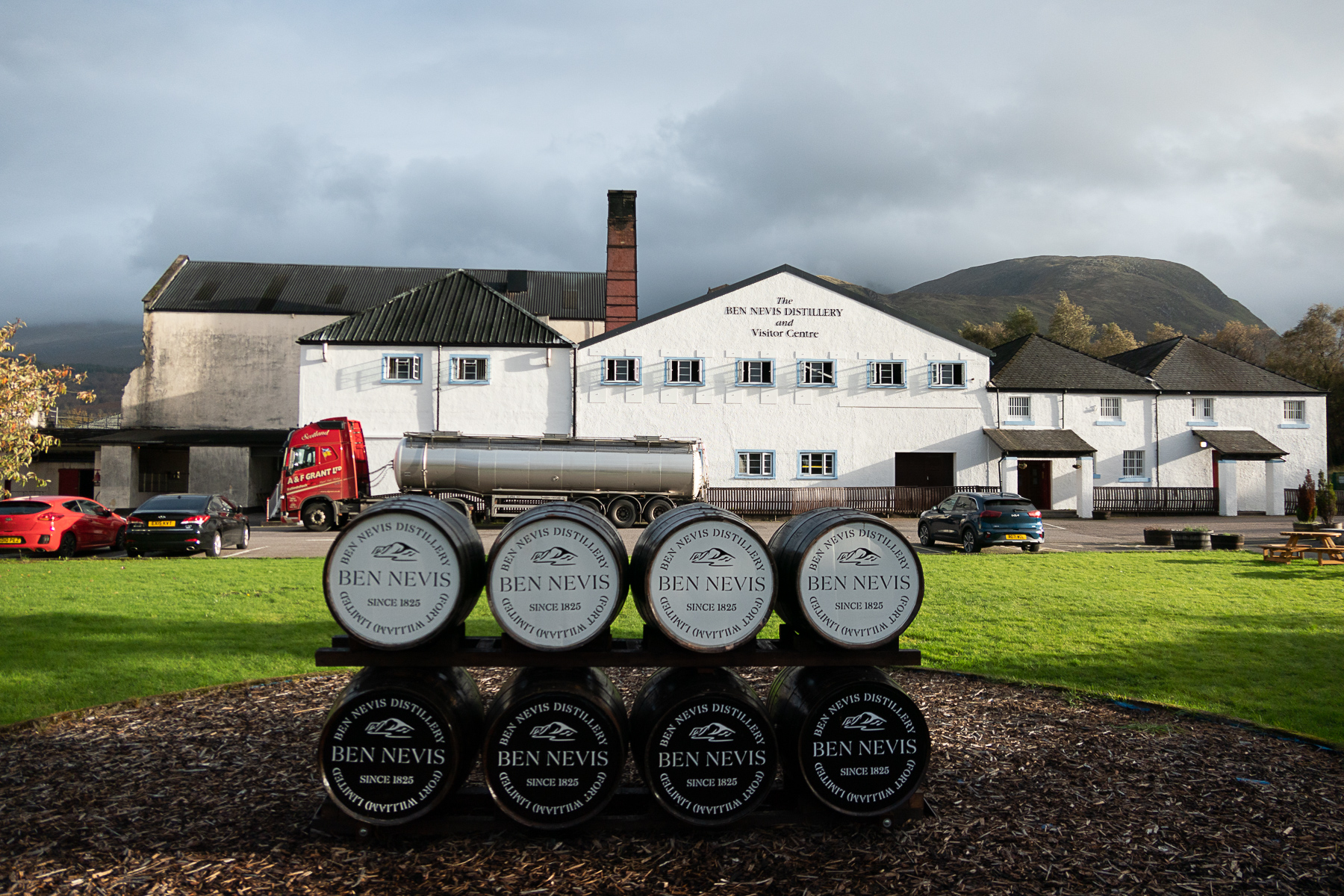
Ben Nevis Distillery
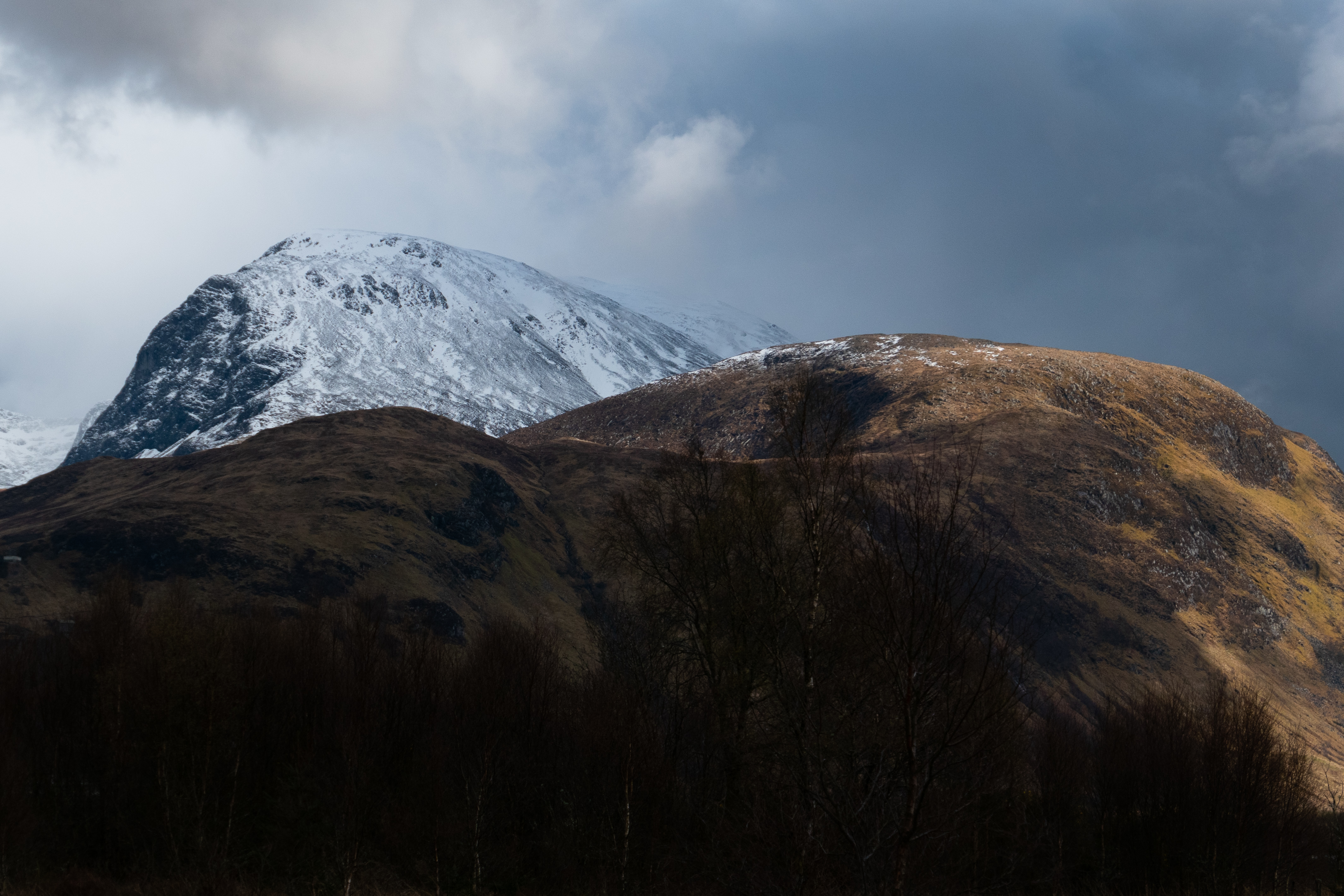
A couple years ago I had the opportunity to tour Ben Nevis distillery. Tucked away on the west coast of Scotland below Loch Lochy and the highest peak in Scotland – Ben Nevis you can find this stalwart distillery. It has been owned by the Japanese company Nikka since the late 80s and at the time of the purchase the distillery needed a lot of work to bring it online. As it stands today it is a blend of old and new technologies and techniques. It’s also far from the eyes of the company headquarters in Japan and the experience of visiting the distillery is very different from the larger conglomerates. Unfortunately the owners have used most of the whisky produced in Japan. Only a relatively small fraction of the production is dedicated to use in Scotch blends and single malts. Times are changing in Japan and there may be some cause for Ben Nevis to be more available as a single malt in the future.
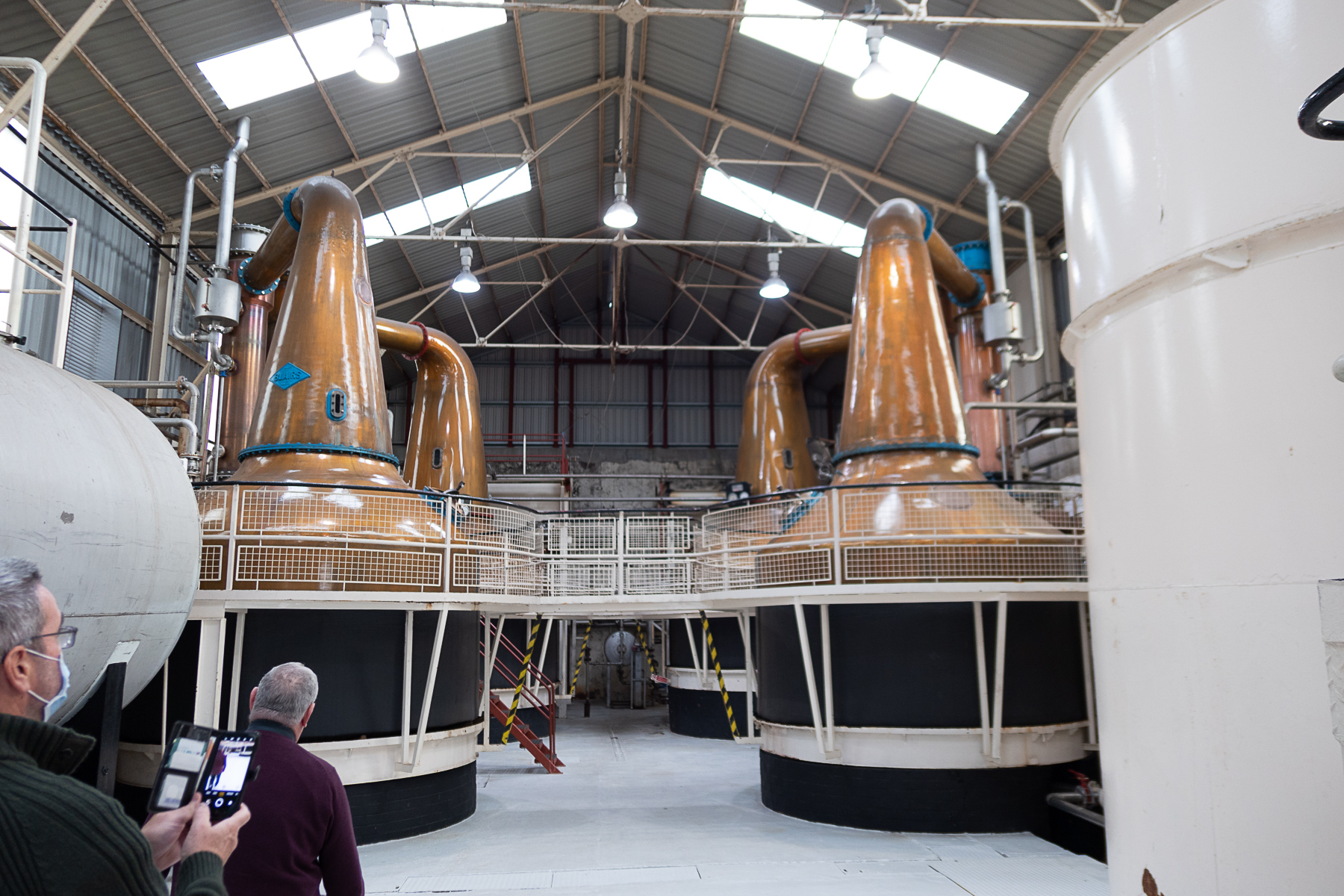
Distillery tours are for the most part standard affairs. The guide will walk the group past the mill, mash tun, washbacks and stills. Provide a bit of info on wash temps, fermentation periods, maybe give the group the option of smelling a washback during fermentation. Often a stroll through a selectively chosen warehouse will accompany the visit, but not at the time I took this tour. The guide was far less scripted than what I’d seen at Diageo’s distilerries, but still was able to answer any questions from the group about the process or product. Ben Nevis also didn’t have their highest-level tour available as the guide told me they hadn’t the stock of casks for the tasting that accompanied it. The tasting room at Ben Nevis is sadly often out of stock of most of the products as well these days as the popularity of Ben Nevis has risen faster than it’s owners recognized the value of stocks. Thankfully when we visited they had just received a fresh shipment of everything.
There are a few things of interest to note about this distillery. First is that they use some heavily peated malt each year with recent years targeting about 40,000LPA of output. It’s not clear they are terribly consistent about the source of that peated malt. I’ll get to that in a later review. In a distillery that produces almost 2MLPA, that’s not much, but it does create an interesting product. Second is that this is one of the few distilleries still using brewer’s yeast. This creates a bit different flavor palate in the distillate and different esters than other distilleries using a rather narrow range of distillers yeast chosen for high efficiency and consistency. They also have a mix of washbacks made from stainless steel (6) and wood (2). For many years the wood washbacks were used for their longer fermentations while the steel washbacks supported the standard fermentations. However they did somewhat recently stop performing the long fermentation runs. Finally because there is so little stock left to the distillery and the management of their single malt and blended brands, the core range is often composed of much older stocks than the labeled age statement or minimum in the case of the NAS offerings. In 2021, the 10 year old was composed mostly of 12-15 year old stocks while the McDonalds Traditional Peated single malt was running 9-12 years of age. It seems strange for a distillery with insufficient stocks to need to use overmatured stocks, but this is where they’ve been operating for years.




 Malt Runners